
Weight Training for Overweight Beginners: Where to Start
This post covers whether overweight people can safely start weight training and what modifications help you train effectively from day one. You’ll learn how to build strength without injury while working toward your fitness goals.
This guide addresses whether you can start weight training when you carry extra weight. The answer is yes, and weight training might actually be more helpful for you than endless cardio sessions.
Most people think they need to lose weight with cardio first before touching weights. This belief wastes months or years of potential progress because lifting weights burns calories during the workout, raises your metabolism for hours afterward, and builds muscle that burns more calories even when you rest.
Can I start weight training if I am overweight? The medical perspective
Weight training is safe for most people carrying extra weight. Your doctor will likely support it because strength training improves blood sugar control, reduces blood pressure, and strengthens bones better than walking or jogging.
The exception applies if you have specific medical conditions like uncontrolled heart disease or severe joint damage. Get clearance from your doctor if you have any diagnosed health problems. For everyone else, you can start today.
Your body weight actually gives you an advantage when starting. You already carry resistance everywhere you go. This means your legs and core have been training just by moving through daily life.
Joint concerns are valid but manageable
Extra weight does put more stress on joints. This fact makes exercise selection matter more for you than for lighter people. The solution is choosing exercises that support your body properly.
Machine exercises work better than free weights at first. A leg press machine supports your back while you work your legs. A chest press machine guides the movement pattern so your shoulders stay safe.
Seated and lying exercises remove stress from your knees and ankles. Seated shoulder presses, lying dumbbell presses, and cable exercises let you build strength without aggravating joint pain.
Water causes no impact on joints at all. Swimming and water aerobics count as resistance training when you move against the water. Many gyms offer water classes specifically designed for people with joint concerns.
Starting weight training works better than cardio for fat loss
Weight training preserves muscle while you lose fat. Cardio alone often causes you to lose both fat and muscle together. This matters because muscle keeps your metabolism high.
Research shows people who lift weights while eating fewer calories lose more fat and keep more muscle than people who just do cardio. The difference becomes obvious after three months.
Your body continues burning extra calories for up to 48 hours after lifting weights. This afterburn effect happens because your muscles need energy to repair and grow. Cardio stops burning extra calories within an hour of finishing.
Can I start weight training if I am overweight and still do some cardio? Yes, combining both works well. Just make strength training your priority and add cardio as a supplement, not the main event.
How to structure your first month
Start with two full body workouts per week. This gives you enough stimulus to build strength without exhausting your recovery ability. Monday and Thursday work well for most schedules.
Each workout should include six to eight exercises. Pick one exercise each for chest, back, shoulders, legs, arms, and core. Do two to three sets of eight to twelve repetitions per exercise.
Rest two to three minutes between sets at first. Your cardiovascular system needs time to recover when you carry extra weight. Short rest periods will just make you feel sick and cut your workout short.
Machines are your friend for the first month. Learn the chest press, lat pulldown, leg press, shoulder press, leg curl, and cable exercises. These teach you proper movement patterns safely.
The gym environment feels less hostile than you think
Most gym members ignore everyone around them. They focus on their own workouts and phones between sets. The judgment you worry about exists mostly in your head.
People who do notice you working hard respect the effort. Other members remember their own first days and understand that everyone starts somewhere.
Many gyms now offer private training areas or women only sections. These spaces help you build confidence before venturing into the main gym floor. Ask about these options when you tour facilities.
Going during off peak hours means fewer people around. Early mornings before 7 AM and early afternoons between 1 and 3 PM are usually quiet. You can learn equipment without feeling watched.
Equipment modifications make exercises accessible
Many standard exercise positions need adjustment when you carry extra weight. Your body proportions and belly size might block certain movements. Simple changes make everything work.
Wider stances on squats and leg presses give your belly room to move. This small adjustment prevents discomfort and lets you complete the full range of motion.
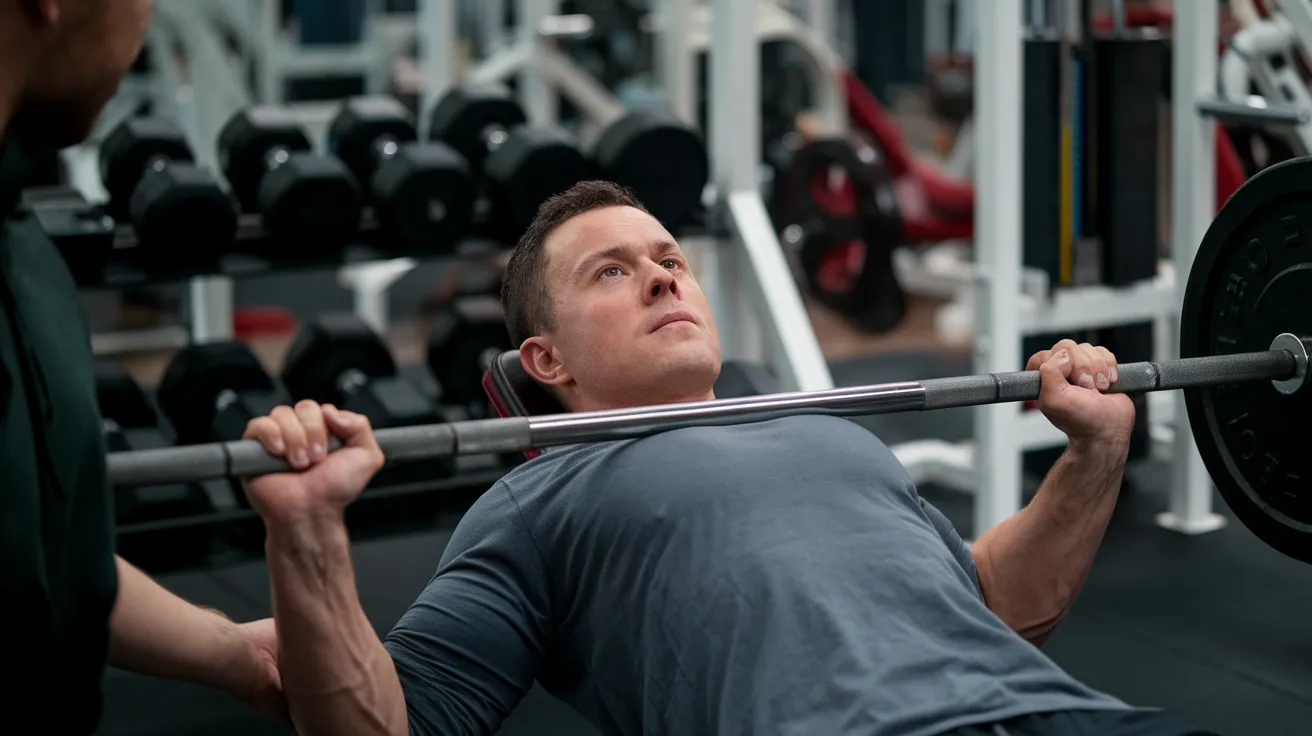
Incline bench positions work better than flat benches for pressing movements. The angle gives your stomach space and often feels more natural for your shoulders.
Dumbbells beat barbells for many upper body exercises. They let you work around your body instead of forcing your body to fit a fixed bar path.
Progress happens faster than you expect
Your strength will jump up quickly in the first two months. Beginners often double their starting weights on major exercises within eight weeks. This happens because your nervous system learns to use the muscle you already have.
Can I start weight training if I am overweight and see visible changes? Physical changes take longer than strength gains. Most people notice better posture and more energy within three weeks. Visible muscle definition usually appears after three months of consistent work.
Your clothes will fit differently before the scale moves much. Muscle takes up less space than fat. You might drop a pant size while only losing ten pounds.
Track your workouts in a simple notebook or phone app. Write down the weight and reps for each exercise. Watching these numbers climb provides motivation when body changes feel slow.
Nutrition supports training but does not need to be perfect
Eating enough protein helps your muscles recover and grow. Aim for 100 grams of protein daily as a starting target. Chicken, fish, eggs, Greek yogurt, and protein powder all count toward this goal.
You do not need to follow a strict diet to benefit from weight training. Small changes like eating protein at each meal and drinking more water create results over time.
Cutting calories too low will sabotage your training. Eating under 1500 calories daily usually leaves you too tired to train hard. Moderate calorie reduction works better than crash dieting.
Timing your largest meal after your workout helps recovery. Your muscles absorb nutrients better in the few hours following exercise. This strategy maximizes the benefit of the food you eat.
Common obstacles have straightforward solutions
Soreness after your first few workouts is normal and temporary. The discomfort peaks two days after training and fades within a week. Keep moving through mild soreness but rest if you feel sharp pain.
Sweating more than other people just means you have better cooling efficiency. Bring a towel and wipe down equipment after use. Nobody cares how much you sweat as long as you clean up.
Feeling out of breath during sets improves as your heart gets stronger. This adaptation happens faster than you think. Most people notice easier breathing within three weeks of regular training.
Not knowing how to use equipment stops many people from starting. Watch one YouTube video per machine before your workout or ask a gym employee for a quick demonstration. Every employee has shown newcomers how to use equipment hundreds of times.
Your weight does not determine your right to train
Can I start weight training if I am overweight without losing weight first? Absolutely. The idea that you need to earn your place in the gym by getting smaller first is wrong and harmful.
Training makes you stronger, healthier, and more capable regardless of what you weigh. These benefits matter more than the number on a scale.
Some people lose significant weight through strength training. Others maintain their weight while completely changing their body composition. Both outcomes improve health markers like blood pressure, cholesterol, and blood sugar.
The best program is the one you will actually do consistently. Weight training often feels more engaging and rewarding than cardio because you can measure concrete progress each week.
Start with a single machine workout this week, even if you only do three exercises for one set each.
Frequently Asked Questions
Will weight training make me bulk up before I slim down?
No. Building visible muscle takes months of focused effort. You will get stronger and burn more calories without looking bulky. Women especially lack the hormones needed to build large muscles accidentally.
Should I hire a personal trainer if I am overweight?
A trainer helps if you feel overwhelmed by equipment or need accountability. Many gyms include one free session with membership. Use this to learn basic exercises, then decide if ongoing sessions fit your budget.
How long before I see results from weight training?
Strength increases appear within two weeks. Better energy and mood often show up within one week. Visible physical changes typically need six to eight weeks of consistent training to become obvious.
What should I do if an exercise hurts my joints?
Stop that exercise immediately and try a different movement that works the same muscles. Pain means something is wrong. Discomfort and burning in muscles is normal, but joint pain requires modification or substitution.
Can weight training damage my knees or back?
Proper form protects your joints. Weight training actually strengthens the muscles supporting your knees and spine. Start with light weights, use machines for stability, and increase weight gradually to stay safe.