
Signs Your Form Is Correct: A Practical Checklist
This post walks you through the essential checks that confirm whether your form is filled out correctly, whether you’re completing a job application, medical form, or online survey. You’ll leave knowing exactly what to verify so you can submit with confidence.

This guide explains how to check whether you are doing an exercise correctly. How do I know if my form is correct? The single most important thing is to record yourself on video and compare your movement to an expert doing the same exercise.
Most people think they can judge their own form by how the exercise feels or whether they experience muscle soreness the next day. This assumption is completely wrong because your body adapts to whatever pattern you teach it, even if that pattern is harmful. You will feel smooth and coordinated doing a movement incorrectly once your nervous system learns that faulty pattern. Soreness only tells you that you stressed muscle tissue, not that you stressed the right muscles in the right way.
How do I know if my form is correct when I cannot see myself moving?
You need external feedback because internal feelings lie to you. Your brain fills in gaps and creates a false picture of what your body is doing. Take a video from two angles: one from the side and one from the front or back depending on the exercise. Compare your video to a coach or experienced lifter doing the same movement.
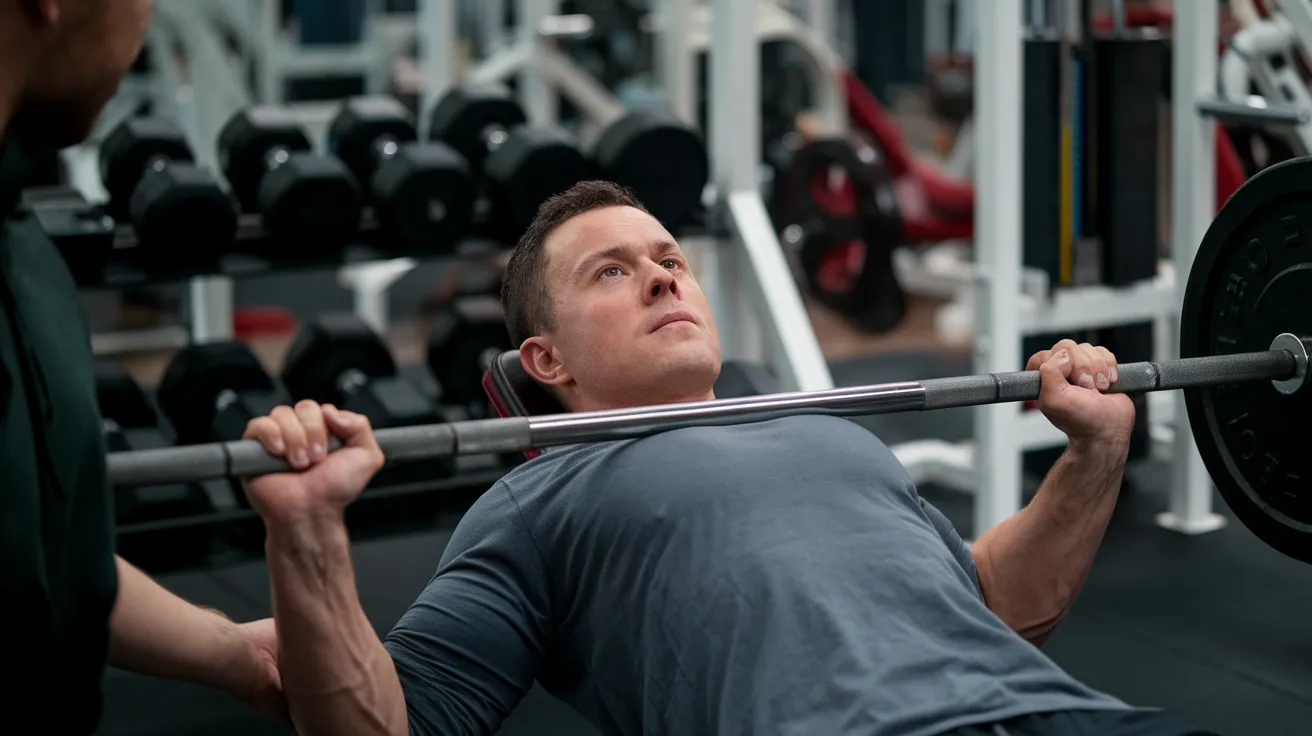
Look for specific positions at specific points in the movement. For a squat, check where your knees track relative to your toes at the bottom position. For a deadlift, check whether your lower back rounds or stays neutral when the bar leaves the floor. For a press, check whether your elbows stay under your wrists throughout the movement.
Small differences matter more than you think. A knee that caves inward by two inches changes which muscles work and which joints get stressed. A rounded lower back in a deadlift shifts hundreds of pounds of force from your hips to your spine. These differences feel minor when you are doing them but create major problems over time.
The body parts that should move and the ones that should stay still
Every exercise has parts that should move and parts that should remain stable. Your form is wrong when the stable parts move or when the moving parts travel on the wrong path. In a plank, your hips should stay level with your shoulders. In a row, your torso should stay still while your arms move.
Learn what should move before you add weight or speed. A push-up requires your shoulder blades to move freely across your ribs. A squat requires your hips and knees to bend together while your spine stays neutral. A lunge requires your front knee to track forward while your back knee drops straight down.
When the wrong parts move, you are compensating for weakness or poor mobility. Your body always finds a way to complete a task, but it does not always find the right way. These compensations become habits that get stronger every time you practice them.
Pain tells you something but not everything about form
Sharp pain during a movement means your form is definitely wrong. Stop immediately and identify what changed in the seconds before the pain appeared. Dull aches or burning sensations might be normal training stress or might be a warning sign.
Pain in your joints suggests poor form more often than pain in your muscles. Knee pain during squats often means your knees cave inward or shoot too far forward. Shoulder pain during presses often means your shoulders roll forward or your elbows flare out. Lower back pain during hinges often means your spine rounds or your hips stop moving.
The absence of pain does not confirm good form. Many people perform exercises incorrectly for months or years before developing pain. The damage accumulates slowly until one day a simple movement causes sudden injury. This is why checking form before pain appears matters so much.
Getting feedback from someone who knows what they are looking at
A trained eye spots problems you will miss on your own. How do I know if my form is correct without hiring a coach for every workout? You can get a professional assessment every few months and make corrections between those sessions using video.
Post your videos in forums where experienced lifters provide feedback. Choose communities that focus on your specific activity. Powerlifting forums for barbell work. Running forums for gait analysis. Yoga communities for bodyweight positions. These spaces have members who have seen thousands of repetitions and know what to look for.
When someone points out a form error, ask them what you should feel differently when you fix it. Ask what cue or thought helps most people make that correction. Some people respond to external cues like “push the floor away.” Others respond to internal cues like “squeeze your glutes.” Find which type works for your brain.
Testing whether you maintain form under fatigue and heavier loads
Your form on the first repetition with light weight means nothing. How do I know if my form is correct when I am tired or lifting heavy? Record your last set, not your first. Record your final repetitions when your muscles are exhausted and your technique starts breaking down.
Form breakdown happens in predictable ways for each exercise. Squats get shallow and knees cave in. Deadlifts show lower back rounding and hips rising too fast. Presses show elbows flaring and the bar drifting forward. These breakdowns reveal your weak points and show you what to strengthen.
Add weight only when your form stays the same under fatigue. This approach feels slow but builds skill and strength together. A movement pattern learned correctly at light weight transfers to heavy weight. A movement pattern learned poorly gets worse as weight increases.
Checking mobility and stability before judging your technique
Sometimes your form is wrong because your body cannot physically get into the right positions. Tight ankles prevent your knees from moving forward in a squat. Tight shoulders prevent your arms from reaching overhead without arching your back. Weak glutes prevent your pelvis from staying neutral.
Test the mobility requirements of each exercise separately from the exercise itself. Can you sit in a deep squat position with good posture while holding onto something? Can you lie on your back and raise both arms overhead while keeping your ribs down? Can you hinge forward at your hips while keeping your back flat?
Fix mobility limits before adding load to a movement. You cannot technique your way past a physical restriction. Stretching and mobility work feel boring compared to training, but they determine whether your training helps or hurts you over time.
Comparing your form today with your form last month
How do I know if my form is correct if it keeps changing? Your technique should improve over time as you get stronger and more skilled. Save videos from each month and watch your progress. Look for movements becoming smoother and positions becoming more consistent.
Form can also regress when you add weight too quickly or train while very fatigued. Your nervous system defaults to old patterns under stress. This is why deload weeks exist. They let you practice good technique with lighter weights and rebuild the motor patterns that heavy training degrades.
Track objective markers of good form alongside your training weights and repetitions. Measure your squat depth. Measure how far forward your knees travel. Measure the bar path on your pulls and presses. Numbers remove guesswork and show you whether your technique actually improves.
Recognizing the difference between your style and actual errors
Not all form variation is wrong. People have different limb lengths, joint shapes, and muscle attachments. Your squat will look different from someone with longer femurs or more ankle mobility. Your deadlift setup will differ from someone with longer arms or a shorter torso.
Learn the non-negotiable aspects of each exercise and the aspects that vary by individual. Your spine must stay neutral in a deadlift, but your stance width can vary. Your shoulders must stay packed in a press, but your grip width can vary. Your knees must track over your toes in a squat, but your stance angle can vary.
Watch multiple experts perform the same exercise and notice what stays the same across all of them. Those consistent elements are what matter for safety and effectiveness. The differences are personal style and individual anatomy. Copy the constants, but adjust the variables to fit your body.
Record yourself doing three repetitions of your most frequent exercise today and watch it next to a video of an expert doing the same movement.
Frequently Asked Questions
Can I check my form using a mirror while I exercise?
Mirrors create more problems than they solve for most people. Turning your head to watch yourself changes your spine position and throws off your balance. Video your sets instead and review the footage between sets.
How often should I record my workouts to check my technique?
Record every exercise at least once per week until your form becomes consistent. After that, record whenever you increase weight, feel unusual discomfort, or notice a movement feeling different than usual.
What angle should I position my camera when recording my form?
The side angle shows the most information for squats, deadlifts, and hinges. The front angle works better for split squats and presses. Place your phone at chest height about six feet away.
Does soreness in the right muscles mean my form is good?
Soreness only tells you that you damaged muscle tissue through training. You can get very sore using terrible form that stresses the wrong areas and creates injury risk over time.
Can a fitness tracker or app tell me if my form is correct?
Current apps cannot reliably judge form for most exercises. They miss subtle but important details that affect safety and performance. Human feedback from a coach or experienced lifter remains far more accurate.