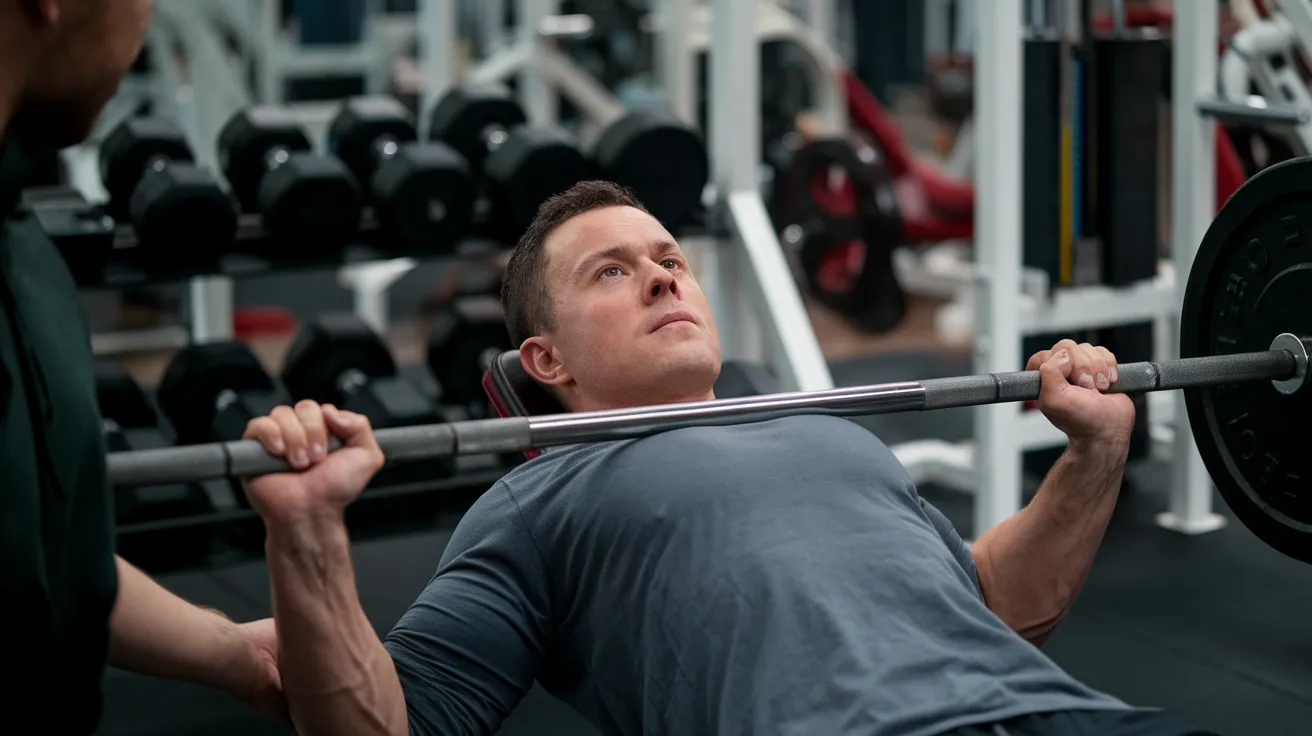

Your First Weight Training Routine: A Beginner’s Guide
This post walks you through a practical first weight training routine built specifically for beginners who are new to lifting. You’ll discover a simple plan that builds real strength without overwhelming you with complexity.
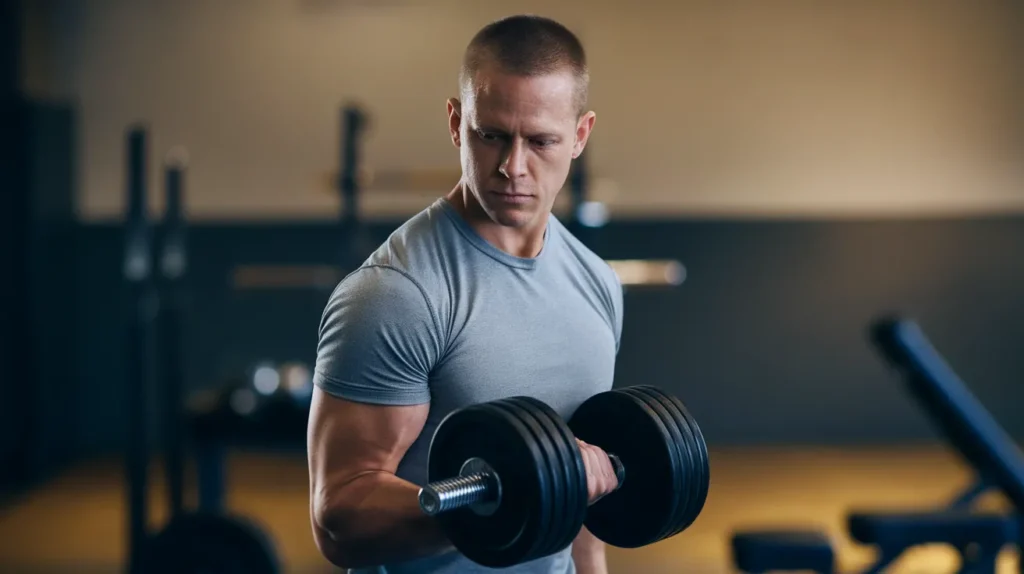
This guide explains what is a good first weight training routine for beginners who want to build strength and muscle without wasting time on poor programs. The single most important thing you need to know is that simple routines with just a few exercises done twice per week will give you better results than complicated programs with dozens of movements.
Most people assume that what is a good first weight training routine for beginners needs to include many different exercises to work every muscle from multiple angles. This is wrong because your body responds best to learning basic movement patterns first, and adding complexity before you master the fundamentals leads to poor form, slower progress, and higher injury risk.
What Is a Good First Weight Training Routine for Beginners Based On
A solid beginner routine uses compound movements that work multiple muscle groups at once. These exercises teach your body to move as a coordinated system rather than isolated parts. The squat, bench press, deadlift, overhead press, and row form the foundation of effective training.
Your first routine should include three to five of these movements per session. You will train two or three times per week with at least one rest day between sessions. This frequency gives your body enough stimulus to adapt while providing adequate recovery time.
Each exercise should involve three to five sets of five to eight repetitions. This rep range builds both strength and muscle size effectively. The weight should feel challenging on the last two reps of each set, but you should complete all reps with good form.
The Two Training Days You Should Start With
Day one includes the squat, bench press, and a rowing movement like the barbell row or cable row. These three exercises work your legs, chest, shoulders, triceps, and back muscles. The entire session takes about 45 minutes including warmup sets.
Day two includes the deadlift, overhead press, and an optional pulling exercise like pulldowns or chin-ups. This combination hits your posterior chain, shoulders, triceps, and back from different angles than day one. You complete this session in the same 45-minute window.
You alternate between these two days throughout the week. A common schedule is Monday and Thursday, or Tuesday and Friday. Some people train three times per week by doing day one on Monday, day two on Wednesday, and day one again on Friday.
How Much Weight You Should Actually Lift
Start with just the empty barbell for pressing and rowing movements. The standard barbell weighs 45 pounds, which is enough weight to learn proper form. Many people can handle this weight from day one, but some need to start with lighter fixed barbells or dumbbells.
For squats, start with the empty bar if you can perform the movement correctly. Your legs are stronger than your upper body, so you will add weight faster on squats than presses. Focus on squatting to proper depth rather than adding weight too quickly.
Deadlifts require weight on the bar to position it at the correct height. Start with 95 pounds, which is the 45-pound bar plus two 25-pound plates. This puts the bar at standard height so you learn the correct starting position.
Add five pounds to upper body exercises each week when you complete all sets and reps with good form. Add ten pounds per week to squats and deadlifts. This progression keeps the difficulty manageable while ensuring steady gains.
Why This Approach Works When Others Fail
When considering what is a good first weight training routine for beginners, the program must be sustainable long term. Complex routines with many exercises cause mental fatigue and make it hard to track progress. Simple programs let you focus on getting stronger at a few movements.
Your body builds strength through neuromuscular adaptation first, then muscle growth follows. Learning to perform basic movements correctly teaches your nervous system to recruit muscle fibers efficiently. This foundation makes all future training more effective.
Compound movements create a strong hormonal response that promotes muscle growth throughout your entire body. Isolation exercises do not trigger this same response. Your first months of training should prioritize these compound lifts to maximize whole-body development.
The Warm-Up Process That Prevents Injury
Each training session starts with five minutes of light cardio to raise your body temperature. Walking, cycling, or rowing at an easy pace prepares your cardiovascular system for work. This also lubricates your joints and increases blood flow to your muscles.
Before each exercise, perform two warm-up sets with lighter weight. The first set uses about 40 percent of your working weight for eight reps. The second set uses about 70 percent of your working weight for five reps.
These warm-up sets serve two purposes. They rehearse the movement pattern before heavy loads, and they gradually prepare the specific muscles you are about to train. Never skip warm-up sets even when you feel ready to lift.
Common Form Mistakes You Must Avoid
On the squat, most beginners fail to reach proper depth or let their knees cave inward. Your hip crease should drop below your knee, and your knees should track in line with your toes. Film yourself from the side to check depth and from the front to check knee position.
During the bench press, people often flare their elbows out to 90 degrees from their body. This position stresses your shoulder joints unnecessarily. Keep your elbows at about 45 degrees from your torso for safer pressing.
The deadlift causes the most form errors because people round their lower back when pulling. Your spine should maintain its natural curve throughout the lift. Set your back position before you pull, and lower the weight if you cannot maintain this position.
When to Change Your Routine
Continue with this basic routine for at least three months. Many people wonder what is a good first weight training routine for beginners and assume they need to change programs frequently. This is counterproductive because strength develops through repeated practice of the same movements.
You know it is time to change when you can no longer add weight each week despite eating and sleeping well. This typically happens after three to six months of consistent training. At that point, you need more training volume or different progression strategies.
The next step involves adding more sets per exercise or training each movement more frequently. You might split your training into four days per week instead of two or three. These changes provide new stimulus for continued progress.
What Your Diet Should Look Like
Muscle growth requires adequate protein intake of roughly 0.7 grams per pound of body weight daily. A 150-pound person needs about 105 grams of protein spread across three or four meals. Chicken, beef, fish, eggs, and dairy products provide complete proteins your body can use efficiently.
Total calorie intake matters more than specific macronutrient ratios. You need a slight calorie surplus to build muscle optimally. Eating 200 to 300 calories above your maintenance level supports muscle growth without excessive fat gain.
Carbohydrates fuel your training sessions and help you recover between workouts. Most of your carbs should come from whole food sources like rice, potatoes, oats, and bread. Your exact carb needs depend on your activity level outside the gym.
The Recovery Factors That Determine Your Results
Sleep drives adaptation to your training. Your body releases growth hormone during deep sleep and repairs muscle tissue damaged during workouts. Aim for seven to nine hours per night in a cool, dark room.
Rest days are not optional when you think about what is a good first weight training routine for beginners. Your muscles grow during recovery, not during the workout itself. Training the same muscles on consecutive days prevents this recovery process and limits your gains.
Stress management affects your training results more than most people realize. High stress levels from work or personal life increase cortisol, which interferes with muscle growth. Find stress reduction methods that work for you, whether that means meditation, walking, or time with friends.
Tracking Progress the Right Way
Keep a simple training log that records the weight and reps for each exercise every session. This log shows whether you are getting stronger over time. Progress in the gym means adding weight to the bar or completing more reps than last time.
Take photos and measurements monthly rather than weighing yourself daily. Body weight fluctuates based on water retention, food intake, and other factors. Photos from the same angle and lighting provide better feedback on body composition changes.
Strength gains come fastest in the first three months, so expect to add weight to the bar almost every session. After the initial adaptation period, progress slows but continues steadily. A 10-pound increase on your bench press every three months is excellent progress after your first year.
Pick one of the routines described above, buy a notebook to track your workouts, and schedule your first gym session for tomorrow.
Frequently Asked Questions
Should I do cardio on the same days as weight training or separate days?
Do light cardio after weight training if you train twice per week. Do cardio on separate days if you train three times per week. This prevents cardio from interfering with your strength gains while maintaining cardiovascular health.
How long should I rest between sets when starting out?
Rest two to three minutes between sets of compound exercises like squats and deadlifts. Rest 90 seconds between sets of pressing and rowing movements. Longer rest periods let you lift heavier weights and maintain good form throughout your session.
Can I build muscle and lose fat at the same time as a beginner?
Yes, beginners can build muscle while losing fat during the first six months of training. Eat at a small calorie deficit of 300 to 500 calories below maintenance. Prioritize protein intake and follow your training program consistently.
What should I do if I miss a workout day?
Complete the missed workout on your next available day, then continue your regular schedule. Missing one session does not hurt your progress. Missing multiple sessions per week means you need to adjust your schedule or training frequency.
When should I hire a personal trainer or coach?
Hire a trainer for two to four sessions to learn proper form on the basic lifts. This investment prevents bad habits that take months to correct. You do not need ongoing coaching unless you have specific goals like competitive lifting.