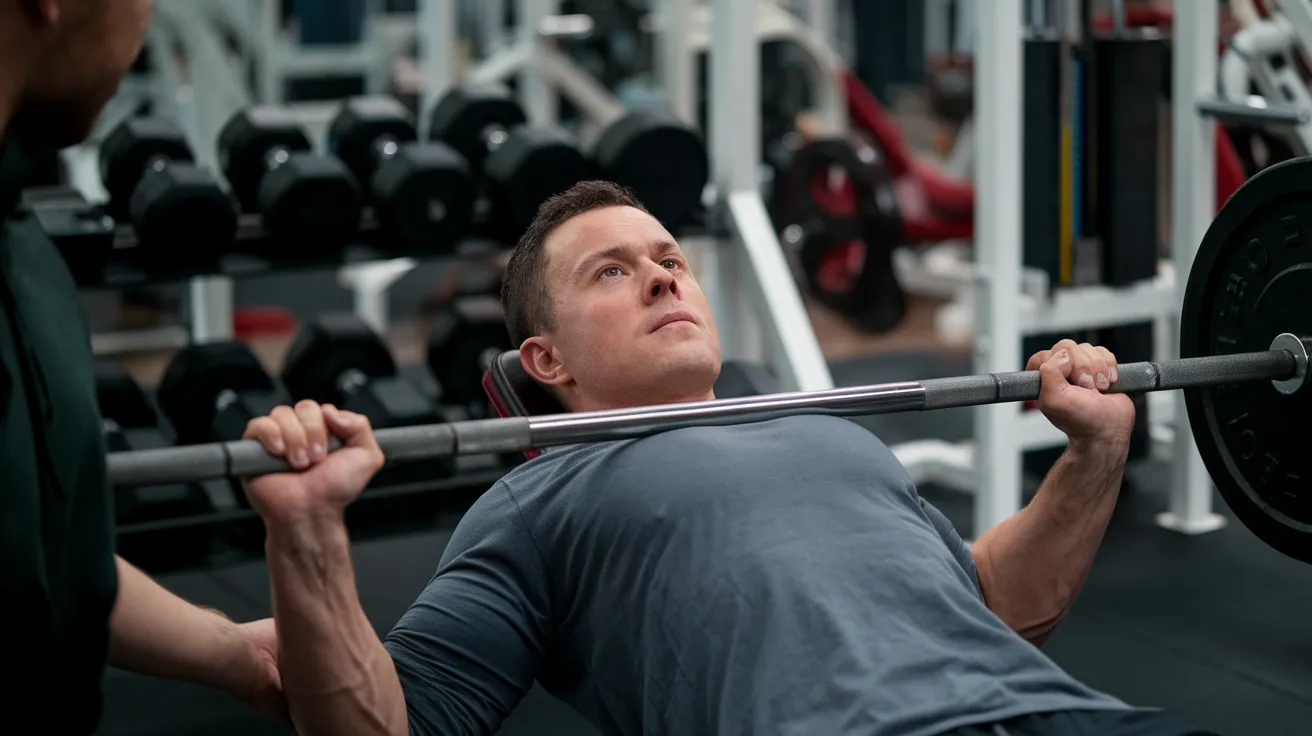

Common Gym Mistakes Beginners Make
Most beginners walk into the gym with good intentions but repeat the same costly mistakes that slow their progress. You’ll learn exactly what these mistakes are and how to sidestep them right from the start.

This guide answers the question “What is the biggest mistake beginners make in the gym?” for anyone who wants to build muscle, lose fat, or get stronger without wasting months on bad habits. The single biggest mistake is doing too much too soon instead of building a foundation you can stick with for years.
Most people assume the biggest mistake beginners make is poor form or choosing the wrong exercises. This gets talked about constantly in fitness content, but it misses the real problem. Poor form matters, but most beginners never stick around long enough for it to become their main issue. They burn out or get injured from doing excessive volume and intensity before their bodies adapt to training stress. Bad form might hurt you eventually, but doing too much will stop you within weeks.
What Is the Biggest Mistake Beginners Make in the Gym and Why Does It Happen?
New lifters see advanced programs online and try to copy them exactly. They train six days per week with high volume and intensity. Their bodies cannot handle this workload. Within two to four weeks, they feel exhausted, sore all the time, and lose motivation.
The mistake comes from a simple misunderstanding about how adaptation works. Your muscles, tendons, joints, and nervous system all need time to adjust to training. This process takes months, not days. An advanced lifter has spent years building this capacity. A beginner has not.
Social media makes this worse. You see someone doing an intense workout and assume you should do the same. You don’t see their five years of training that came before. You don’t see their recovery methods, their sleep schedule, or their nutrition. You just see the workout and think that’s what works.
Why Starting With Too Much Volume Backfires Quickly
Volume means the total amount of work you do. More sets, more reps, and more exercises all increase volume. Beginners often do twenty sets per muscle group when they should do six to eight. This creates several problems at once.
First, your muscles get so sore you cannot train properly for the next session. Second, your joints and connective tissue become inflamed. Third, your nervous system becomes fatigued and cannot recover between workouts. All of this compounds until you feel terrible and stop going to the gym.
Recovery ability grows slowly over time. A trained person can handle and recover from much more work than someone new. Their bodies have adapted through years of gradual increases. Trying to skip this process guarantees failure.
The Real Answer to What Is the Biggest Mistake Beginners Make in the Gym
The core mistake is not respecting the adaptation timeline. Your body needs progressive exposure to stress over months and years. Starting with advanced training splits, high frequency, and maximum volume ignores basic biology. You cannot rush this process.
Three full body sessions per week with three to four exercises each session works better than six day splits with ten exercises per day. This gives you enough stimulus to grow stronger while allowing time to recover. You can sustain this pattern for months.
The best program for a beginner is one they can recover from and stick with consistently. A great program you cannot sustain is worse than a decent program you can follow for years. Consistency matters more than any other single factor in training.
How Doing Too Much Leads to Injury and Burnout
Overuse injuries happen when tissues don’t get enough time to repair between sessions. Tendonitis, joint pain, and muscle strains become common. These injuries don’t always appear during the workout. They develop gradually as you accumulate damage faster than you can heal it.
Mental burnout happens just as fast. Training feels like a chore instead of something enjoyable. You dread going to the gym. The soreness and fatigue make daily life harder. Eventually you stop going and tell yourself you’ll start again later.
Most people who quit the gym within three months made this exact mistake. They went too hard, felt terrible, and blamed themselves for not being tough enough. The problem was never their toughness. They simply did more than their bodies could handle at that stage.
What Actually Works for Beginners Instead
Start with two to three sessions per week. Do three to five exercises per session. Perform two to three sets per exercise. This seems too easy, but it works. You will make progress while building the habit and capacity to do more later.
Focus on adding small amounts of weight or reps each week. This is called progressive overload. Even tiny improvements compound over months into major changes. You don’t need to destroy yourself in every workout to make progress.
After two to three months of consistent training, you can add more volume gradually. Add one set to a few exercises. Train an extra day per week. These small increases let your body adapt without overwhelming it. This approach feels boring compared to intense programs, but it actually produces results.
Understanding What Is the Biggest Mistake Beginners Make in the Gym Through Real Examples
A typical example looks like this. Someone starts training on Monday with a chest workout they found online. The program has eight exercises with four sets each. They finish but feel extremely sore. By Wednesday their chest still hurts but they do the leg workout anyway. Same pattern. Eight exercises, high volume, maximum effort.
By Friday they can barely move. They skip the workout. The next week they feel better and try again. Same cycle repeats. After three weeks they have constant joint pain and no energy. They stop going. This person thinks they failed, but the program failed them.
Compare this to someone who does three full body workouts per week. Squat, bench press, rows, and overhead press. Three sets each. Takes forty minutes. They feel worked but not destroyed. They recover by the next session. After three months they look and feel noticeably better. After six months they add more exercises and volume because their body can handle it.
Why This Mistake Is So Common Despite Being Preventable
The fitness industry profits from complexity and intensity. Selling a simple three day program doesn’t work as well as selling an advanced six day split with specialized techniques. Content creators need to make exciting videos, not effective but boring ones. This creates a massive amount of misleading information.
Beginners also conflate effort with effectiveness. Working harder feels like it should produce better results. This logic works in many areas of life but not in strength training. Your body needs stimulus and recovery in the right balance. More stimulus without more recovery just breaks you down.
People also want fast results. Starting slowly feels like wasting time. But building slowly is actually the fastest path to long term success. Burning out in three weeks and quitting gets you zero results. Training consistently for six months with modest volume gets you significant results.
How to Know When You Can Actually Handle More Training
You can add volume when you meet several conditions. You recover fully between sessions without excessive soreness. Your performance increases week to week. You feel energized, not drained. Your joints feel good, not achy or inflamed. You sleep well and maintain good appetite.
These signs tell you your body has adapted to the current stress. Adding one or two sets per exercise or one extra session per week makes sense now. You still add gradually, not all at once.
Most beginners can increase volume after two to three months of consistent training. Some people need longer. Listen to your body instead of following arbitrary timelines. The goal is sustainable progress, not hitting specific numbers on a specific schedule.
What Is the Biggest Mistake Beginners Make in the Gym and How to Avoid It Forever
The mistake is overestimating what you can handle right now and underestimating what you can achieve over time. You want to do everything immediately. This approach fails. Doing less than you think you need, consistently, for months and years, actually works.
Avoid this mistake by starting with the minimum effective dose. Train three days per week. Do a few exercises. Work hard during those exercises but don’t add more just because you feel you should. Let your body adapt. Add gradually based on how you feel and perform.
Track your workouts in a simple notebook. Write down exercises, sets, reps, and weights. Watch these numbers increase over weeks and months. This objective progress matters more than how destroyed you feel after each session. Sustainable improvement beats temporary intensity every time.
Pick one exercise from your planned first workout and do just that exercise tomorrow with perfect form for three light sets.
Frequently Asked Questions
How many days per week should a complete beginner train?
Three days per week works best for complete beginners. This provides enough training stimulus to improve while giving adequate recovery time. You can train Monday, Wednesday, and Friday with rest days between each session.
How sore should I be after a workout as a beginner?
Mild soreness for one to two days is normal when starting. Severe soreness that lasts four to five days or prevents normal movement means you did too much. Reduce volume in your next session.
Can I build muscle training only three days per week?
Yes, three days per week builds muscle effectively for beginners. Your body needs stimulus and recovery. More training days without adequate recovery reduces muscle growth. Three days provides both in the right balance.
How long before I can follow advanced workout programs?
Most people need at least six to twelve months of consistent training before advanced programs make sense. Your work capacity, technique, and recovery ability must develop first. Rushing this process leads to injury and burnout.
What should I do when my beginner program feels too easy?
Add small amounts of weight to your exercises each week before increasing volume. When you stop making strength gains with current volume, add one set to a few exercises. Increase gradually, not all at once.