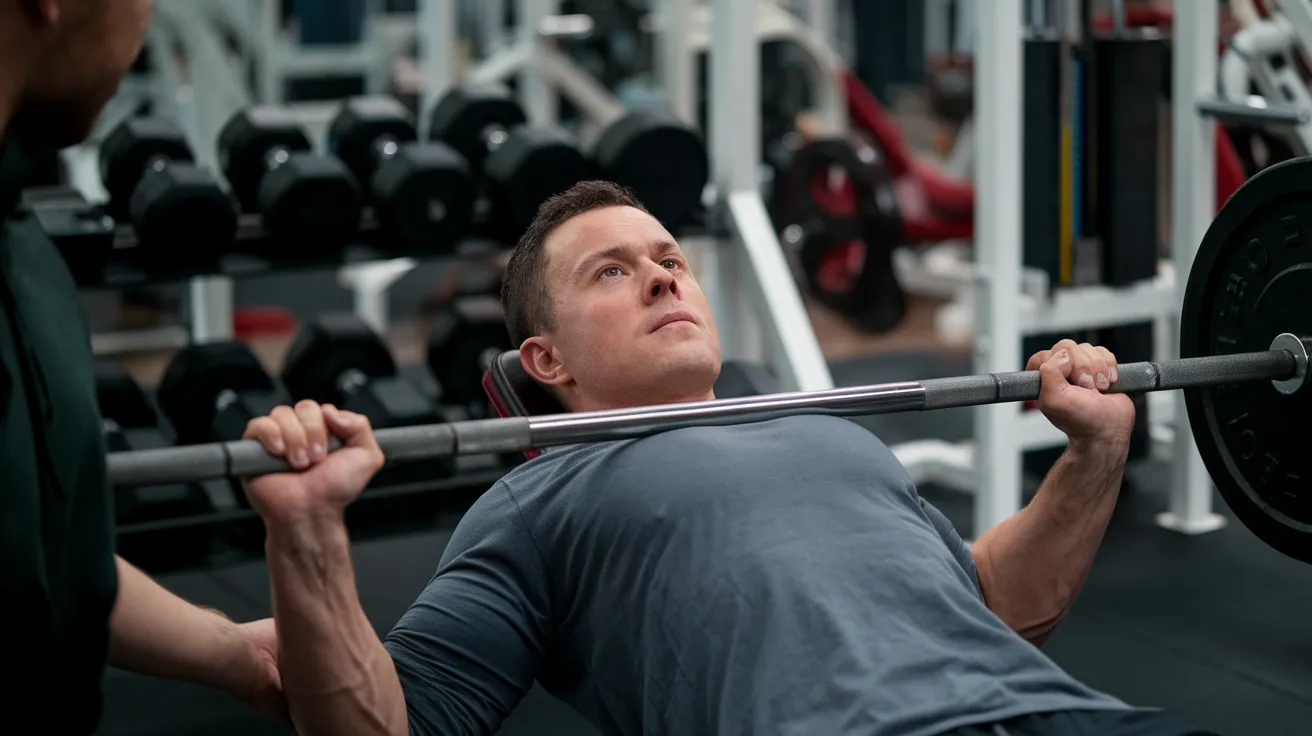

Beginner Weight Training Diet: What to Eat for Muscle Growth
This guide covers the essential nutrition strategies for weight training beginners, including which foods to prioritize and how to structure your meals around your workouts. You’ll learn exactly what to eat before and after training to maximize muscle growth and recovery.
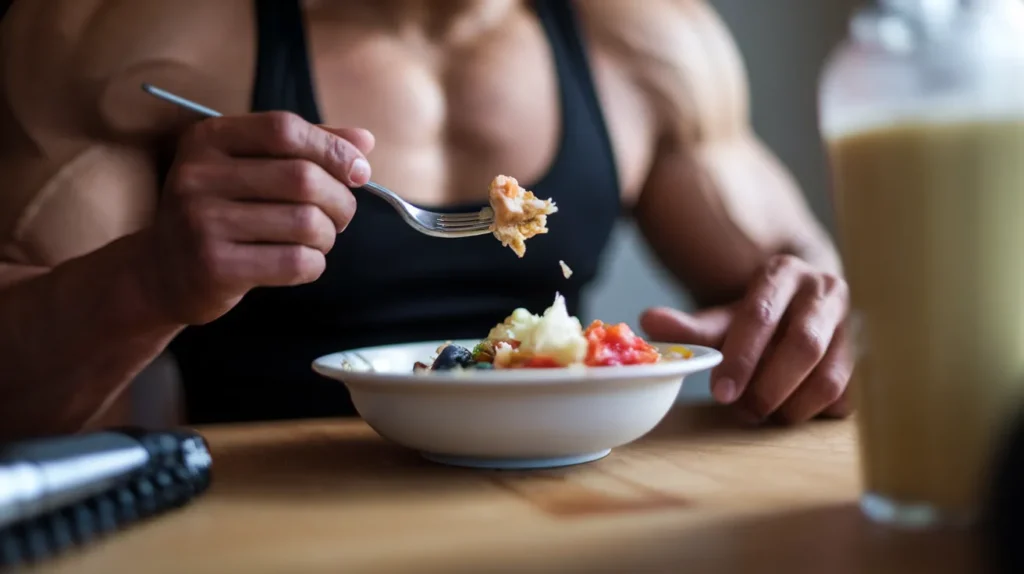
This guide explains what should a beginner eat to support weight training for people just starting to lift weights. Your food matters more than your workout program when it comes to building muscle.
Most beginners think they need protein shakes and special supplements right away. This is wrong because whole foods give you everything you need, and beginners respond so well to training that fancy supplements make almost no difference for the first six months.
What should a beginner eat to support weight training? Start with enough total food
You cannot build muscle without eating enough calories. Your body needs energy to repair and grow muscle tissue after each workout. Most beginners do not eat enough food to see real progress.
A simple starting point is to multiply your body weight in pounds by 16. This gives you a daily calorie target. A 150-pound person would aim for 2,400 calories per day. Track your food for one week using any free app to see where you stand.
Some beginners fear gaining fat, so they eat too little. This stops muscle growth completely. You will gain some fat while building muscle. Accept this reality or stay stuck.
Protein amounts that actually work for new lifters
Beginners need about 0.7 to 1 gram of protein per pound of body weight daily. A 150-pound person should eat 105 to 150 grams of protein. This range gives your muscles the building blocks they need.
Spread protein across three to four meals throughout the day. Each meal should contain 25 to 40 grams. Your body uses protein better when you space it out rather than eating it all at once.
Good protein sources include chicken breast, ground beef, eggs, Greek yogurt, cottage cheese, fish, and tofu. Pick foods you actually enjoy eating. The best diet is one you can follow for months, not days.
Carbs fuel your training sessions and recovery
Carbohydrates give you energy to lift heavy weights. They also refill your muscle glycogen stores after training. Without enough carbs, your workouts will feel terrible and your recovery will suffer.
Beginners should eat 1.5 to 2.5 grams of carbs per pound of body weight. A 150-pound person needs 225 to 375 grams daily. This seems like a lot because it is. Muscle growth requires substantial food.
Focus on rice, potatoes, oats, bread, pasta, and fruit. These foods are cheap and easy to prepare. Vegetables count too, but they contain fewer calories per serving. You need both starchy carbs and vegetables.
Fat intake that supports hormone production
Dietary fat helps your body make testosterone and other hormones needed for muscle growth. Do not follow an extremely low-fat diet while trying to build muscle. Your hormones will crash.
Aim for 0.3 to 0.5 grams of fat per pound of body weight. A 150-pound person should eat 45 to 75 grams daily. This leaves room in your diet for plenty of protein and carbs.
Get fat from whole eggs, fatty fish, olive oil, nuts, avocados, and butter. These foods provide different types of fat your body needs. Avoid worrying about saturated fat unless your doctor tells you to.
Meal timing matters less than you think
The fitness industry pushes complex meal timing rules. Eat protein every three hours. Have carbs only after training. Drink a shake within 30 minutes of finishing your workout. Most of this is nonsense for beginners.
What should a beginner eat to support weight training in terms of timing? Just eat three to four solid meals spaced throughout your day. Make sure one meal happens within a few hours before or after training. That covers 95% of the timing benefit.
The anabolic window is much longer than supplement companies claim. Your muscles stay sensitive to nutrients for at least 24 hours after training. Missing a post-workout shake will not ruin your gains.
Simple meal structures that cover your needs
Each meal should contain a palm-sized portion of protein, a fist-sized portion of carbs, and some fat. Add vegetables when possible. This simple template works for breakfast, lunch, and dinner.
Breakfast could be four eggs scrambled with two slices of toast and butter. Lunch might be a chicken breast with rice and olive oil. Dinner could be ground beef with pasta and cheese. Add a fourth meal or snack if needed to hit your calorie target.
Precision is not required at first. Close enough works fine for the first three months. Your main job is to eat enough food consistently. Perfect macro ratios mean nothing when total intake is too low.
What should a beginner eat to support weight training on a tight budget?
Building muscle does not require expensive foods. Eggs, canned tuna, whole chickens, ground beef, rice, potatoes, oats, pasta, frozen vegetables, and peanut butter are all cheap. Buy these items in bulk.
Cook large batches on weekends. Make a big pot of rice, bake several chicken breasts, and boil a dozen eggs. Store everything in containers. Grab and reheat meals during the week when time is short.
Protein powder can save money compared to meat, but only buy it after you have mastered eating whole foods. Many beginners buy supplements while skipping regular meals. This is backwards and wastes money.
Common eating mistakes that stop progress
Skipping breakfast is the first mistake. You miss an entire feeding opportunity, making it harder to eat enough total food. Start your day with real calories, not just coffee.
The second mistake is eating too clean. Chicken, rice, and broccoli every meal leads to burnout. Include foods you enjoy. Pizza, burgers, and ice cream fit into muscle-building diets when you control portions and hit your protein target.
The third mistake is changing your diet every few weeks. You need consistency to see results. Stick with the same eating pattern for at least two months before making changes. Track your body weight weekly and adjust food amounts based on what the scale shows.
Tracking your food without losing your mind
Weigh your food and log it in an app for two weeks. This teaches you what proper portions look like. After two weeks, you can estimate portions by eye and only track occasionally to stay calibrated.
Weigh yourself every morning after using the bathroom. Calculate your weekly average weight. Compare this average to the previous week. Beginners should gain 0.5 to 1 pound per week while building muscle.
Gaining faster means you are adding too much fat. Gaining slower or not at all means you need more food. What should a beginner eat to support weight training in terms of quantity? Enough to make the scale move up slowly but steadily.
Hydration affects strength and recovery
Drink water throughout the day. Aim for half your body weight in ounces as a minimum. A 150-pound person should drink at least 75 ounces daily. More during training days.
Dehydration reduces your strength and makes you feel tired. Keep a water bottle with you at all times. Drink a large glass with each meal. Your urine should be pale yellow, not dark or clear.
When your eating plan should change
Follow the same approach for at least three months. Beginners gain muscle easily and do not need complicated strategies. Simple eating with consistent training produces excellent results at first.
After six months of training, you might need to adjust. Your body adapts and progress slows. At that point, you can explore details like nutrient timing, carb cycling, or periodized eating. Not before.
What should a beginner eat to support weight training changes as you advance. But spending time now worrying about advanced methods wastes your beginner gains period. This phase is when your body responds best to basic fundamentals done well.
Calculate your calorie target today, eat that amount tomorrow, and track your weekly weight for the next month.
Frequently Asked Questions
Do I need protein powder as a beginner lifter?
No, protein powder is optional. Whole foods like chicken, eggs, and Greek yogurt provide complete protein. Use powder only for convenience when you struggle to eat enough protein from meals.
Can I build muscle while eating in a calorie deficit?
Beginners can build some muscle in a deficit, but progress is slower. Eating at maintenance or a small surplus works better. Choose either fat loss or muscle gain as your primary goal.
How much water should I drink on training days?
Drink your baseline amount plus an extra 16 to 24 ounces during and after training. Watch your urine color. Pale yellow means adequate hydration. Dark yellow means drink more water.
Should I eat differently on rest days versus training days?
Keep your eating consistent every day as a beginner. Your body builds muscle on rest days, not just training days. Advanced lifters might adjust carbs, but beginners should eat the same amount daily.
What should I eat right before a workout?
Eat a normal meal with protein and carbs two to three hours before training. Some people train fasted and perform fine. Test both and pick what feels better during your workouts.