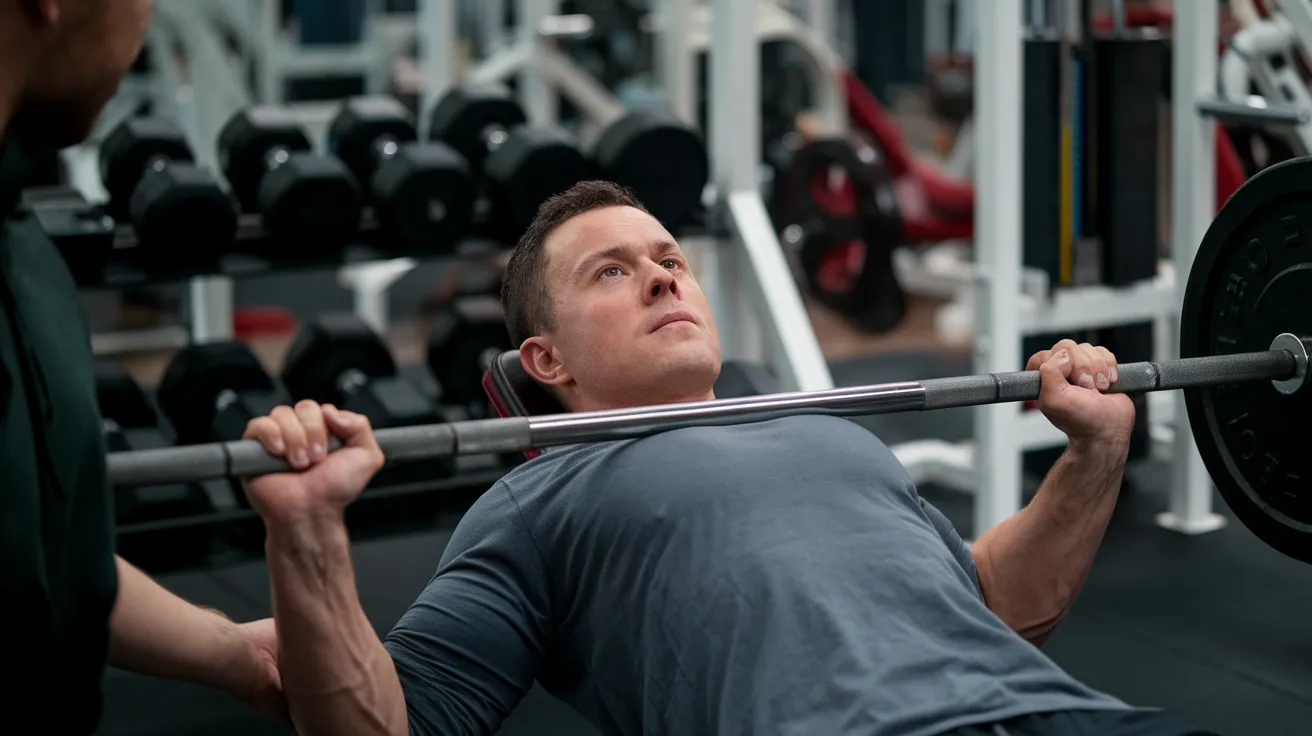

Does Weight Training Make You Bulky? The Real Answer
This post covers what actually happens to your body when you start weight training, and why most people don’t end up looking bulky unless they specifically train for it. You’ll understand how to strength train in a way that matches your own goals, whether that’s muscle definition, pure strength, or staying lean.
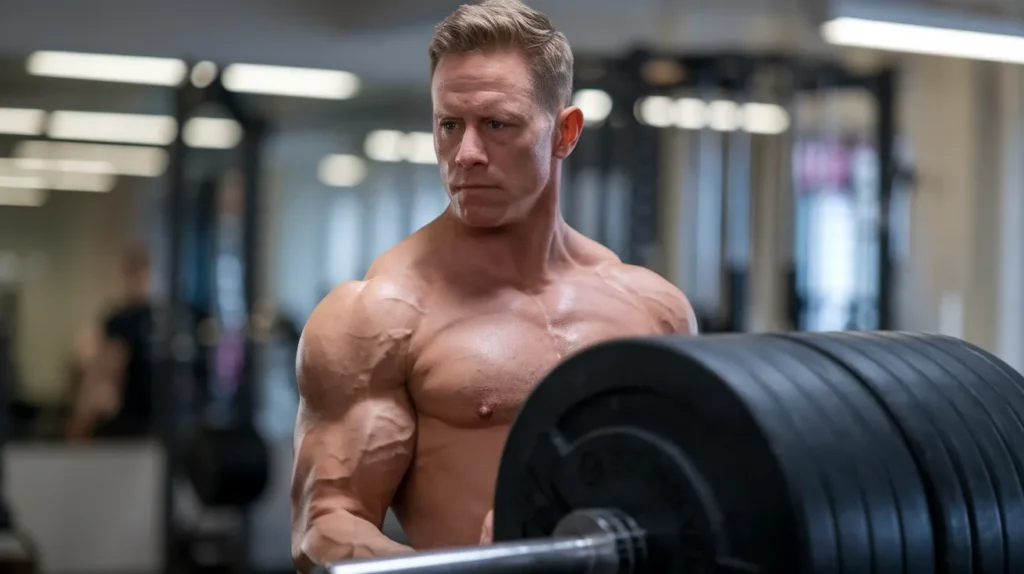
This guide addresses the question “Will weight training make me look bulky?” for anyone worried about getting too muscular from lifting weights. The truth is that building significant muscle mass requires years of dedicated training, specific nutrition, and often a genetic advantage that most people simply don’t have.
Most people believe that touching a barbell will instantly transform them into a bodybuilder. This assumption ignores basic biology and the immense difficulty of muscle growth, which requires a sustained calorie surplus, progressive overload, adequate protein intake, and consistent training over many months or years.
What Actually Happens When You Start Weight Training
Your body adapts to weight training in stages. The first few weeks bring neurological changes. Your muscles learn to fire more efficiently. You get stronger without adding visible size.
After about six weeks, you might notice small changes in muscle tone. Your arms look more defined. Your shoulders have better shape. This is not bulk. This is your existing muscle becoming visible as you lose fat and improve muscle density.
Real muscle growth happens slowly. A trained man might gain 10 to 15 pounds of muscle in his first year of serious training. A trained woman might gain 5 to 8 pounds. These numbers assume perfect nutrition, consistent training, and good recovery. Most people gain far less.
Will Weight Training Make Me Look Bulky? The Hormone Reality
Testosterone drives muscle growth. Men have 15 to 20 times more testosterone than women. This is why men build muscle faster and in larger amounts.
Women who weight train without using performance drugs will not develop large, bulky muscles. Their hormonal environment makes this nearly impossible. The female bodybuilders you see in competitions have trained for decades, follow extreme diets, and often use substances that alter their natural hormone levels.
Even men struggle to build substantial muscle mass. Professional bodybuilders dedicate their entire lives to this goal. They eat 5,000 or more calories daily. They train for hours each day. They optimize every variable. Most regular people who lift weights three times per week will never approach this level of muscularity.
The Difference Between Muscle Tone and Bulk
Muscle tone means your muscles look firm and defined. You can see muscle shape under your skin. This look comes from having some muscle mass and relatively low body fat.
Bulk means having large muscle mass that creates significant size increases in your arms, legs, chest, and back. This requires years of training with heavy weights, eating in a calorie surplus, and often weighing significantly more than your starting weight.
Weight training for general fitness creates tone, not bulk. You lift weights two to four times per week. You eat a balanced diet. You focus on getting stronger. This approach builds modest muscle and helps you lose fat. The result is a leaner, more defined look.
Why Some People Think They Look Bulky After Starting Training
Your muscles retain water when you start a new training program. This is temporary swelling, not actual muscle growth. The effect usually fades after a few weeks as your body adapts.
Some people build a small amount of muscle while still carrying excess body fat. The new muscle sits under the fat layer. This can temporarily make you look larger. The solution is continuing to train while managing your diet to reduce fat. Once the fat decreases, the muscle definition appears.
Perception also plays a role. Your muscles feel firmer and fuller after training. This might feel like bulk when you first notice it. Give yourself time to adjust to how a trained body feels and looks.
Training Methods That Build Different Results
Higher reps with moderate weight builds muscular endurance and creates a toned look. Sets of 12 to 20 reps work well for this goal. You feel the burn but don’t strain heavily.
Lower reps with heavy weight builds more strength and size. Sets of 3 to 6 reps with challenging loads create the best environment for muscle growth. Even this approach takes months to produce visible size increases.
Most general fitness programs mix both approaches. You do some heavy lifting for strength. You do some higher rep work for endurance. This combination builds a balanced physique without extreme bulk.
The Role of Nutrition in Your Body Composition
Building bulk requires eating more calories than you burn. Your body needs excess energy to create new muscle tissue. Most people need 300 to 500 extra calories per day to support muscle growth.
Eating at maintenance or in a slight deficit prevents bulk. You can still get stronger and maintain your muscle. Your body composition improves as you lose fat and preserve muscle. This creates the toned, athletic look most people want.
Protein intake matters for muscle maintenance and growth. Eating 0.7 to 1 gram of protein per pound of body weight supports your training. This amount helps you recover and build modest muscle without promoting excessive growth.
Real Timeline for Muscle Development
Month one brings strength gains from improved coordination. You might lose some fat. Your clothes fit better. No visible muscle bulk appears.
Months two to three show improved muscle definition. Your arms look more shaped. Your legs have better contours. This is still not bulk. This is your natural muscle becoming visible.
Months six to twelve might add a few pounds of actual muscle tissue. This change is gradual and subtle. Friends might say you look fit or athletic. Nobody will say you look bulky unless you specifically train and eat for maximum muscle growth.
Years two to five of consistent training can build noticeable muscle mass. Even then, the changes depend heavily on your training focus, diet, and genetics. Most recreational lifters never reach a point where bulk becomes a concern.
How to Train Without Fear of Excessive Muscle Growth
Focus on full body workouts three times per week. This frequency builds strength and fitness without overemphasizing muscle growth. Each session works all major muscle groups.
Keep your workouts under 60 minutes. Shorter sessions with good intensity produce excellent results. You don’t need marathon training sessions to stay fit and strong.
Watch your total training volume. Doing 20 sets per muscle group each week might promote more growth than you want. Keeping volume to 10 to 15 sets per muscle per week builds strength and tone without excessive size.
Monitor your body weight and measurements. Weigh yourself weekly. Take measurements of your arms, waist, and thighs monthly. These numbers tell you what’s actually happening. Small increases in muscle mass happen slowly enough that you can adjust your approach.
What to Do When You Reach Your Desired Look
Stop trying to increase your weights constantly. Maintain your current strength levels. This prevents additional muscle growth while keeping what you’ve built.
Adjust your training volume downward slightly. Doing maintenance work takes less effort than building new muscle. You can reduce your sets by about 30% and maintain your physique.
Eat at your maintenance calorie level. Stop any calorie surplus. Your body won’t build new muscle without excess energy. You’ll keep your current muscle and stay at your preferred size.
The question “Will weight training make me look bulky?” reflects a real concern but misunderstands how muscle growth works. Your body does not build muscle easily or quickly. Getting bulky requires specific, sustained effort over years. Regular weight training with balanced nutrition creates a lean, defined look that most people find attractive and feel good about maintaining.
Start with three weight training sessions per week, focus on getting stronger at basic movements, and watch what actually happens to your body over the next three months.
Frequently Asked Questions
How long does it take to see muscle definition from weight training?
Most people notice improved muscle definition within 6 to 8 weeks of consistent training. This assumes you train at least three times per week and manage your diet to reduce body fat while maintaining muscle.
Can I lose fat and gain muscle at the same time?
Beginners can often build small amounts of muscle while losing fat. This becomes harder as you advance. Most experienced lifters need to focus on one goal at a time for best results.
How much protein do I need to avoid getting bulky but still build strength?
Protein intake does not cause bulk. Eating 0.7 to 1 gram per pound of body weight supports muscle maintenance and recovery. Excess calories, not protein, drive unwanted muscle growth.
Will lifting heavy weights make me bulkier than lifting light weights?
Heavy weights build more strength but do not automatically create bulk. Building size requires eating excess calories consistently. You can lift heavy while eating at maintenance and stay lean and defined.
What should I do if I start looking bulkier than I want?
Reduce your training volume by about 30% and eat at maintenance calories instead of a surplus. Shift to slightly higher rep ranges. Your muscle mass will stabilize at a level you prefer.