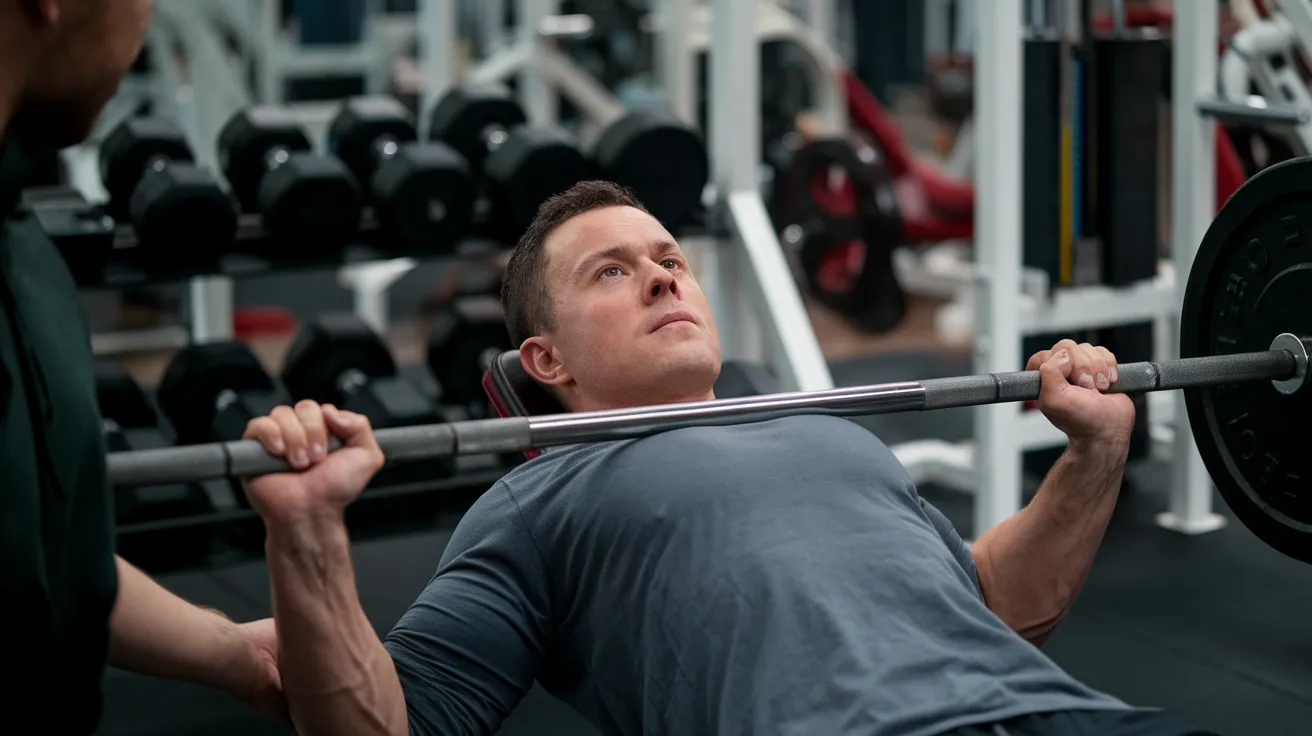

Finding Your Starting Weight: A Beginner’s Guide
Choosing the right starting weight is one of the biggest questions new lifters face, and getting it wrong can slow your progress or lead to injury. This guide walks you through a simple process to find your ideal starting point so you can build strength with confidence.
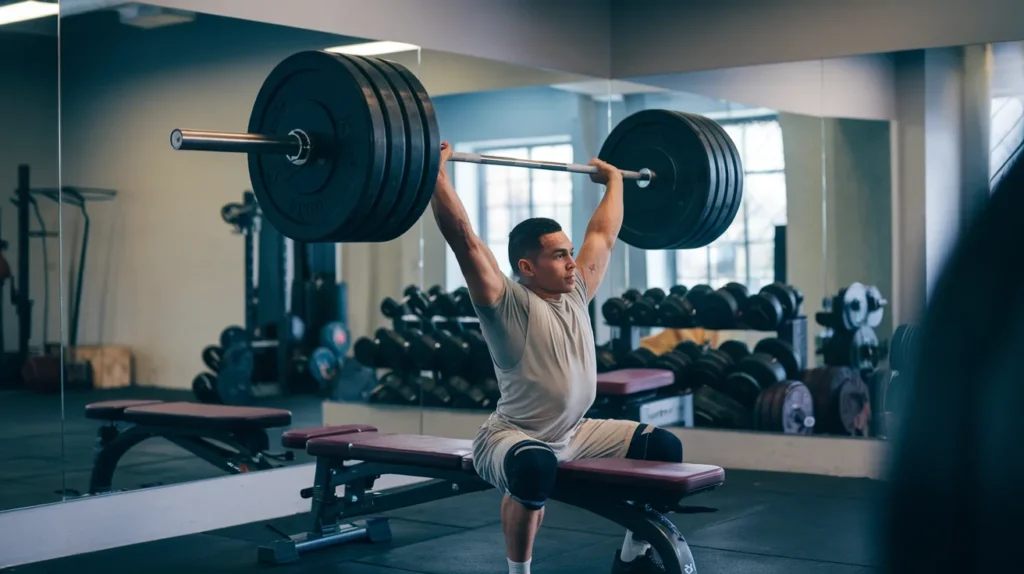
This guide explains how to know how much weight to start with when you begin strength training. The single most important thing to understand is that your starting weight depends on whether you can complete the full set with good form while the last two reps feel challenging.
Most people think they should start with very light weights to avoid injury and work their way up slowly over many weeks. This approach wastes your time because muscles need real resistance to adapt and grow stronger. Starting too light means you spend weeks doing work that produces no results.
How Do I Know How Much Weight to Start With? Test Your Form First
Your first step happens without any weight at all. Practice the movement pattern with just your body or an empty bar. Do ten reps and check if your form stays consistent from the first rep to the last.
Good form means you control the weight through the entire range of motion. Your joints stay in safe positions. Your back maintains its natural curve. The target muscle does the work instead of other muscles compensating.
Once you can do ten perfect reps with no weight, you are ready to add resistance. This usually takes one or two practice sessions for simple movements like rows or presses.
The Two Rep Rule Tells You the Right Starting Weight
Pick a weight you think might work. Do a set of eight to ten reps. The last two reps should feel hard but you should complete them with good form.
That feeling of hard means you could maybe do one more rep if you pushed yourself. Your muscles feel fatigued. Your movement might slow down slightly. But your form does not break down.
The weight is too light if you finish all reps easily and feel like you could do five more. The weight is too heavy if you cannot complete at least six reps or if your form falls apart halfway through the set.
Different Exercises Need Different Starting Approaches
Large muscle groups like your legs and back can handle more weight than small muscles like your shoulders and arms. A good starting weight for squats might be forty to sixty pounds for most beginners. A good starting weight for lateral raises might be five to ten pounds.
Compound exercises use multiple joints and muscle groups. These include squats, deadlifts, presses, and rows. You can typically start heavier on these movements because more muscle contributes to moving the weight.
Isolation exercises work one muscle group through one joint. These include bicep curls, tricep extensions, and leg curls. You will start lighter on these movements because less muscle is involved.
Your Training History Changes Where You Begin
Someone who has done physical labor or played sports will start with more weight than someone who has been sedentary. Your muscles already have a base level of strength from your daily activities.
Previous training matters even if you took time off. Someone returning after six months away will regain strength faster than a complete beginner. They can often start with sixty to seventy percent of what they lifted before.
Complete beginners should expect to start lighter and that is fine. Your nervous system needs time to learn how to recruit muscle fibers efficiently. This learning happens quickly in the first few weeks.
The First Workout Is a Discovery Session
Your first time doing any exercise involves educated guessing. Look at the weights available. Pick something in the middle range for that exercise. Do a warm up set with that weight.
After the warm up set, assess how it felt. Did you barely feel it? Go heavier by five to ten pounds. Did it feel very challenging? Drop down by five to ten pounds. Then do your working sets.
Write down what weight you used and how it felt. This information guides your next workout. How do I know how much weight to start with becomes easier to answer after you have data from your first session.
Age and Gender Create Different Starting Points
Men typically start with heavier weights than women because they have more muscle mass and higher testosterone levels. A man might start bench pressing with forty five pounds while a woman might start with twenty pounds. Both can be appropriate starting weights.
Older adults should start more conservatively than younger people. Connective tissue becomes less resilient with age. Starting lighter protects joints and tendons while they adapt to training stress.
These are general patterns, not rules. Some women start stronger than some men. Some older adults start stronger than younger people. The two rep rule works regardless of age or gender.
Progressive Overload Means Starting Light Enough to Progress
Your starting weight should leave room to add weight over the next several weeks. This concept is called progressive overload. Your muscles get stronger by gradually handling more resistance over time.
Starting too heavy creates a problem. You might complete your first workout but then you cannot add weight next time. You get stuck at the same weight for weeks. Progress stalls.
A better approach starts you at a weight that feels manageable. You can complete all your sets with good form and some effort. Then you add two to five pounds each week. This creates steady progress.
Body Weight Affects Strength Training Loads
Heavier people generally start with more weight than lighter people. More body mass usually means more muscle mass to move the weight. A person weighing two hundred pounds will typically squat more initially than someone weighing one hundred twenty pounds.
Body weight exercises like push ups and pull ups work differently. A heavier person finds these harder because they lift more weight. A lighter person might do full push ups while a heavier person needs to start with incline push ups.
How do I know how much weight to start with when doing body weight exercises? Modify the angle or range of motion until the two rep rule applies. Make the exercise easier or harder to hit the right difficulty.
Equipment Type Changes the Actual Load
Dumbbells feel harder than machines at the same weight. Dumbbells require you to stabilize the weight in three dimensions. Machines guide the weight along a fixed path. You can typically start ten to twenty pounds heavier on a machine than with free weights.
Barbells let you lift more than dumbbells for most exercises. Two hands on one bar creates a more stable position. You might press thirty pound dumbbells but press eighty pounds on a barbell.
Kettlebells and resistance bands create different challenges. A twenty pound kettlebell feels different than a twenty pound dumbbell because of how the weight distributes. Resistance bands increase tension as they stretch. These differences affect your starting point.
Injury History Requires a Cautious Start
Previous injuries need special attention when selecting starting weights. An old shoulder injury means starting lighter on pressing movements. An old knee injury means starting lighter on squats and lunges.
Pain during an exercise means the weight is wrong or the exercise is wrong for you right now. Some discomfort in the muscle is normal. Sharp pain in a joint is a warning sign. Stop and choose a lighter weight or different exercise.
Working around injuries does not mean avoiding training. It means being smart about your starting point. You might begin with body weight only or very light resistance. You can still build strength while protecting damaged tissue.
Training Goals Influence Your Starting Weight Selection
Building muscle requires different loading than building endurance. Muscle growth happens best with weights you can lift for six to twelve reps. Endurance improves with weights you can lift for fifteen to twenty reps.
How do I know how much weight to start with based on my goals? Apply the two rep rule to your target rep range. For muscle building, the last two reps of ten should feel hard. For endurance, the last two reps of eighteen should feel hard.
Strength goals require heavier weights for fewer reps. Power goals need explosive movement with moderate weights. Match your starting weight to your specific goal while maintaining good form.
The First Month Teaches You About Your Body
Your first four weeks of training generate the most information about appropriate weights. You learn which muscle groups respond quickly and which need more time. You discover which exercises feel natural and which feel awkward.
Track every workout during this learning phase. Write down the exercise name, the weight used, and how many reps you completed. Note if the weight felt too easy, too hard, or just right.
This data removes guesswork from future workouts. You see patterns emerge. Your legs might progress faster than your arms. Your pushing muscles might be stronger than your pulling muscles. These patterns guide your training plan.
Reassess Your Weights Every Four Weeks
What worked as a starting weight will not work forever. Your body adapts to training stress by getting stronger. Weights that felt challenging four weeks ago should feel easier now.
Every month, evaluate whether you are still following the two rep rule. Can you complete your sets with two reps left in reserve? Do the last two reps feel challenging? The answer tells you if your current weight is still appropriate.
Many people make the mistake of sticking with their starting weights too long. They wonder why they stop seeing results. The answer is simple. Their body adapted to that stress level and needs more resistance to continue improving.
Walk into the gym tomorrow, pick up a light weight for your first exercise, and do ten reps to see if the last two feel challenging.
Frequently Asked Questions
Should I start with machines or free weights as a beginner?
Start with whichever lets you maintain good form. Machines guide the movement path and help you learn the pattern. Free weights build more stabilizer strength but require better body awareness. Both work for building strength.
How much weight should I add each week?
Add two and a half to five pounds for upper body exercises. Add five to ten pounds for lower body exercises. Only add weight when you can complete all sets with good form and the prescribed reps feel manageable.
What happens if I start too heavy and hurt myself?
Starting too heavy rarely causes serious injury. You will more likely fail to complete reps or feel very sore. True injury comes from bad form under any load. Always prioritize movement quality over weight amount.
Can I start strength training with just body weight exercises?
Yes, body weight exercises build real strength for beginners. Push ups, squats, and rows with a suspension trainer provide enough resistance. Add external weight when body weight exercises become too easy following the two rep rule.
How long until I need to increase my starting weights?
Most beginners can add weight every one to two weeks for the first three months. Your nervous system adapts quickly at first. Progress slows after this initial phase but you should still increase weight monthly.