
Dumbbell vs Barbell: Which Should You Use
This guide breaks down how dumbbells and barbells differ in design, function, and what they’re best for in your training. By the end, you’ll know exactly which one matches your fitness needs and experience level.
This guide explains what is the difference between a dumbbell and a barbell for anyone starting strength training or trying to decide which equipment to buy. The main difference is that dumbbells move independently in each hand while a barbell connects both hands to a single bar, and this changes everything about how you train.
Most people assume dumbbells and barbells work the same muscles in the same way, just with different equipment. This is wrong because independent movement requires much more control from stabilizer muscles, creates different strength patterns, and forces each side of your body to work equally hard without letting the stronger side compensate.
What Is the Difference Between a Dumbbell and a Barbell in Terms of Physical Design?
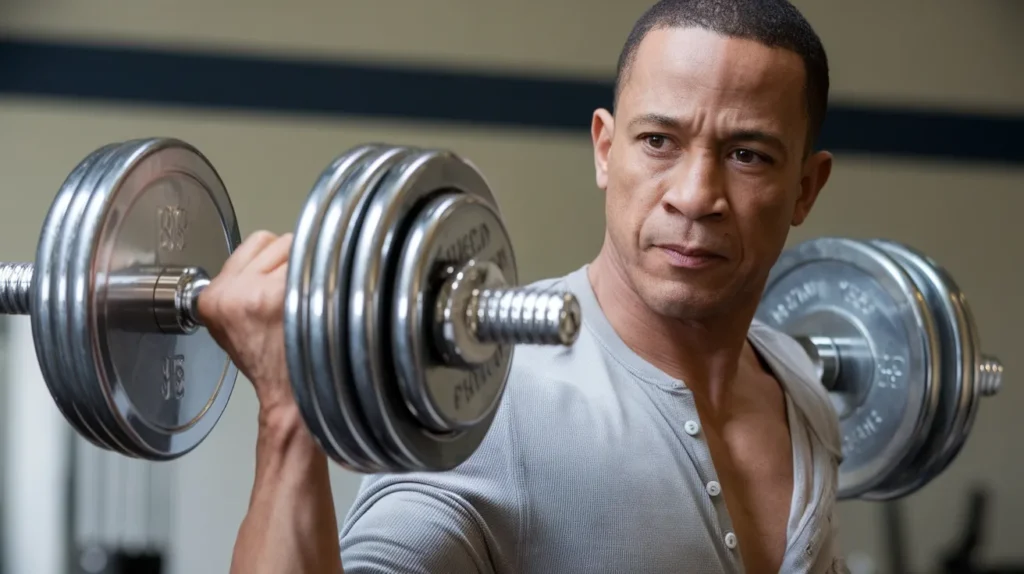
A dumbbell consists of a short handle with weights on each end. You hold one in each hand. Each dumbbell works completely separately from the other. The total weight you lift equals the weight of both dumbbells combined.
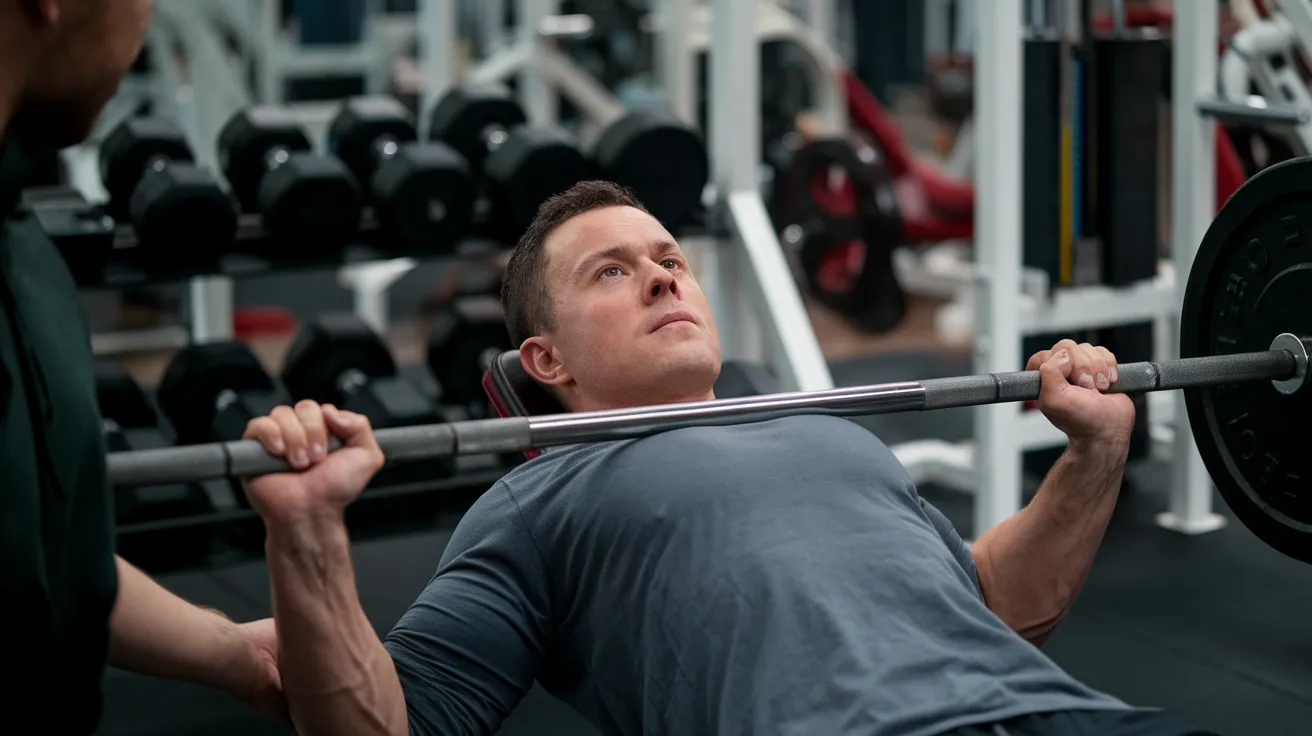
A barbell uses a long bar, usually five to seven feet. You grip the bar with both hands. The bar connects your hands together in a fixed position. You load weight plates on both ends of the bar. The bar itself weighs between 15 and 45 pounds depending on the type.
This structural difference creates completely different movement patterns. With dumbbells, your hands can move in any direction. They can rotate, travel different paths, and adjust position freely. A barbell locks your hands into a set relationship. They must move together on the same path at the same speed.
How Weight Distribution Changes Between These Two Tools
Barbells let you lift much heavier total weight. The bar connects both arms, so they share the load. Your stronger side can help your weaker side. This shared effort means you can typically press or pull 20 to 30 percent more weight with a barbell than with dumbbells.
Dumbbells force each arm to carry its own weight. Your left arm cannot help your right arm. This exposes strength imbalances quickly. Most people discover one arm is noticeably weaker when they first use dumbbells.
The bar weight itself matters with barbells. A standard Olympic bar weighs 45 pounds before you add any plates. When you start with just the bar, you are already lifting significant weight. Dumbbells can start as light as one or two pounds. This makes them more accessible for complete beginners or rehabilitation work.
The Stability Requirements Are Completely Different
Barbells provide built-in stability through the fixed bar. Your hands cannot drift apart or twist independently. This stability lets you focus mostly on the primary movement. You still need core strength and balance, but the bar reduces the stability challenge.
Dumbbells demand constant stabilization from smaller muscles. Each weight can wobble, drift, or rotate if you lose control. Your shoulders, rotator cuffs, and core must work harder to keep the weights on the correct path. This extra work can be good or bad depending on your goals.
The stability difference makes dumbbells harder at the same relative weight. A 40-pound dumbbell press (20 pounds per hand) feels significantly more challenging than an 80-pound barbell press. The instability creates more muscle activation but also more fatigue.
What Is the Difference Between a Dumbbell and a Barbell for Building Muscle?
Both tools build muscle effectively. The barbell advantage comes from heavier loading. More weight creates more mechanical tension on muscles. This tension drives muscle growth. Compound barbell lifts like squats, deadlifts, and bench presses let you progressively overload muscles with increasing weight.
Dumbbells create muscle growth through different mechanisms. The instability forces more muscle fibers to activate. The independent movement lets you get a deeper stretch in some exercises. The range of motion often extends further than barbell versions of the same exercise.
Research shows both methods produce similar muscle growth when effort levels match. The best approach uses both tools. Barbells work well for main lifts where you want maximum weight. Dumbbells work well for assistance exercises where you want full range of motion and balanced development.
The Practical Space and Cost Considerations
Barbells require more space and equipment. You need the bar, weight plates, and collars to secure the plates. Most barbell exercises also require a rack or bench for safety. A basic home barbell setup costs $300 to $500 and needs a dedicated workout area.
Dumbbells take up less space. A set of adjustable dumbbells fits in a closet or under a bed. Fixed dumbbells need more storage, but they still require less space than a full barbell setup. You can do effective dumbbell workouts in a small apartment or bedroom.
The cost comparison depends on your weight range needs. One barbell and plates can cover a wide weight range for $300 to $400. A complete dumbbell set from five to 100 pounds costs $500 to $2,000 for fixed weights. Adjustable dumbbells cost $200 to $600 and solve the storage problem.
Which Tool Works Better for Different Exercises
Squats and deadlifts work better with barbells. The heavy weight sits on your back or in your hands in a stable position. Dumbbell versions of these exercises limit the weight you can use. You cannot hold enough dumbbell weight to match the stimulus from a loaded barbell.
Pressing movements work well with both tools. Barbell bench press lets you use more total weight. Dumbbell press gives you more range of motion and trains each side equally. Both build chest and shoulder strength effectively.
Rowing and pulling exercises often work better with dumbbells. Single-arm dumbbell rows let you isolate each side completely. The free movement path feels more natural than the fixed path of a barbell row. Barbell rows still work well for building overall back thickness.
Isolation exercises almost always use dumbbells. Bicep curls, tricep extensions, and lateral raises need the independent movement dumbbells provide. You can do these with a barbell, but the fixed hand position feels awkward.
What Is the Difference Between a Dumbbell and a Barbell for Injury Risk and Joint Health?
Barbells create more total stress on your body because of the heavier loads. This stress builds strength but also increases injury risk when form breaks down. The fixed hand position can strain wrists, elbows, or shoulders in people with mobility restrictions or past injuries.
Dumbbells let your joints move in their natural patterns. Your wrists can rotate freely during a press. Your shoulders can find comfortable positions during rows. This freedom reduces joint stress for many people. The lighter loads per hand also reduce the risk of catastrophic form breakdown.
The injury comparison really depends on the individual exercise and your body. Some people feel better doing barbell bench press. Others get shoulder pain and switch to dumbbells. The independent movement of dumbbells lets you work around minor aches and restrictions.
How to Choose Between Them for Your Training
Your choice depends on your goals, space, and budget. Building maximum strength requires barbells. The ability to load heavy weight on compound movements drives strength gains. Powerlifters and strength athletes center their training around barbell lifts.
Building muscle and staying healthy works well with either tool or both. Many successful training programs mix both. They use barbells for main lifts like squats and bench press. They use dumbbells for assistance work and isolation exercises. This combination gives you both heavy loading and balanced development.
Training at home often favors dumbbells because of space limits. A good set of adjustable dumbbells provides years of effective training in minimal space. Adding a barbell later expands your options once you have more space and budget.
The real answer to what is the difference between a dumbbell and a barbell comes down to movement freedom versus loading capacity. Dumbbells give you natural movement and independent limb training. Barbells let you lift heavier weight through connected, stable movements. Your program works best when you understand these differences and choose the right tool for each exercise.
Start with whichever tool you can access today and learn three basic exercises with proper form before worrying about adding more equipment.
Frequently Asked Questions
Can you get just as strong with dumbbells as with a barbell?
You can build significant strength with dumbbells, but barbells allow heavier absolute loads. This makes barbells superior for maximum strength development. Dumbbells build excellent functional strength and muscle, just not peak one-rep max strength.
How much weight should I subtract when switching from barbell to dumbbell exercises?
Start with roughly 40 to 50 percent of your barbell weight per dumbbell. For example, use 20-pound dumbbells per hand for dumbbell bench press after a 100-pound barbell bench press. Adjust based on how the first set feels.
Do dumbbells work stabilizer muscles more than barbells?
Yes, dumbbells require significantly more stabilizer muscle activation. The independent weights demand constant control from smaller muscles around your shoulders, core, and joints. This increased activation can improve overall stability and coordination.
Which is safer for working out alone at home?
Dumbbells are generally safer for solo home training. You can drop them safely if you fail a rep. Barbells can trap you during bench press or squats without safety equipment. Dumbbells also reduce the risk of being pinned under heavy weight.
Should beginners start with dumbbells or barbells?
Beginners benefit from starting with dumbbells. They allow lighter starting weights, expose strength imbalances early, and teach body control. Adding barbells after building base strength and coordination makes sense for most people.